Project lead or manager
Follow a subtask, its attempt and its evidence in the portfolio.
AI Factory · Operations handbook
Start with a fictional scenario or prepare a private deployment. Follow access controls, agent work, human decisions and incident recovery.
In Planning → Portfolio and tasks, connect a Factory objective to its projects and business-unit tasks. The portfolio tracks due dates, ownership, dependencies and evidence.
GitHub Pages presents fictional cases. Compose and Kubernetes can host a private deployment with its own identities, data and model services.
Visual atlas · 05 workflows
Concept illustrations of workspaces, with links to demos and operating procedures.
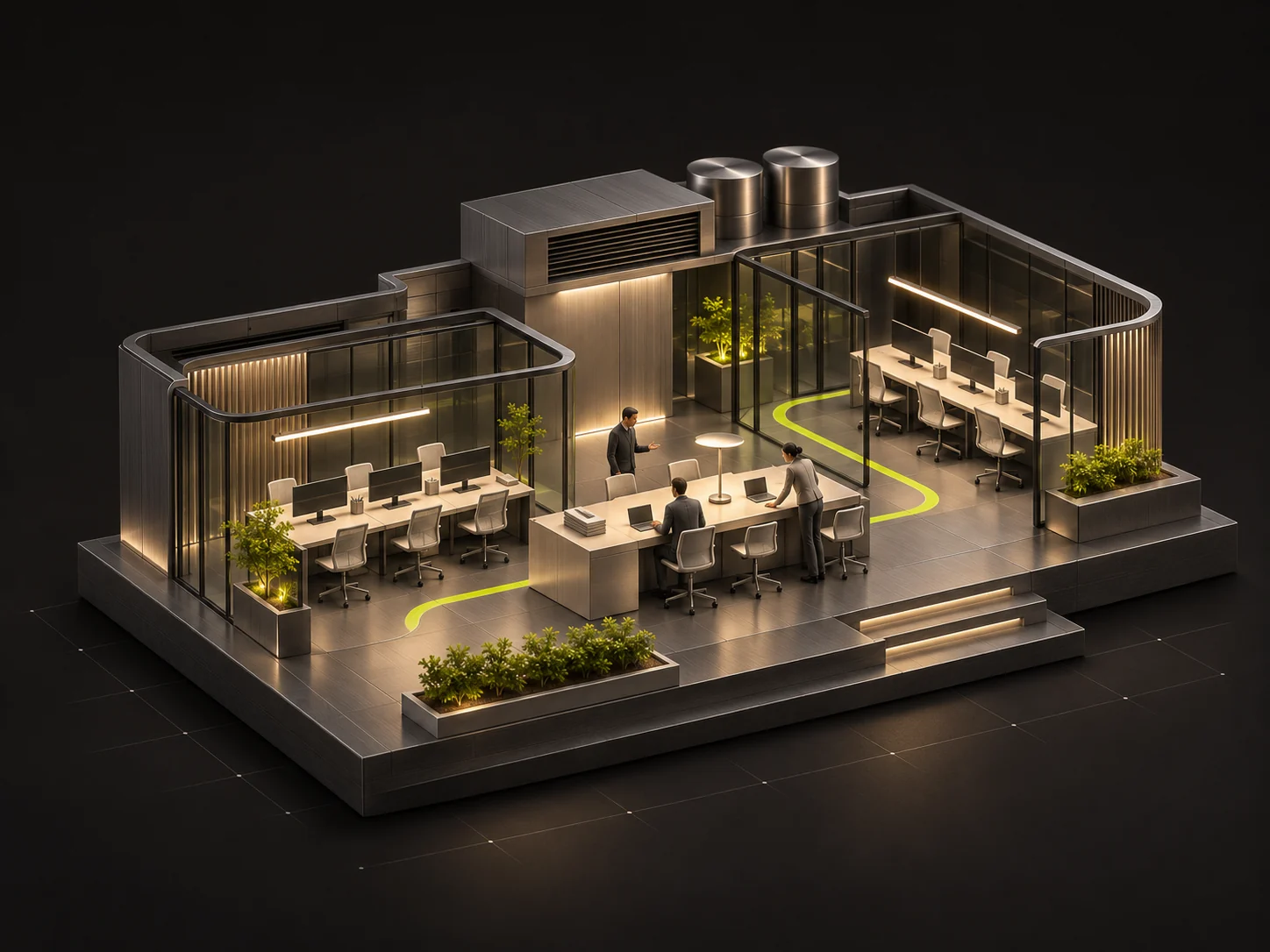
01 / Orchestration
Assign a task, authorize its start under the business-unit policy, then review the evidence and reported token counts.

02 / Decisions
Have an independent approver verify the case and its revision, then find the outcome in the portfolio.
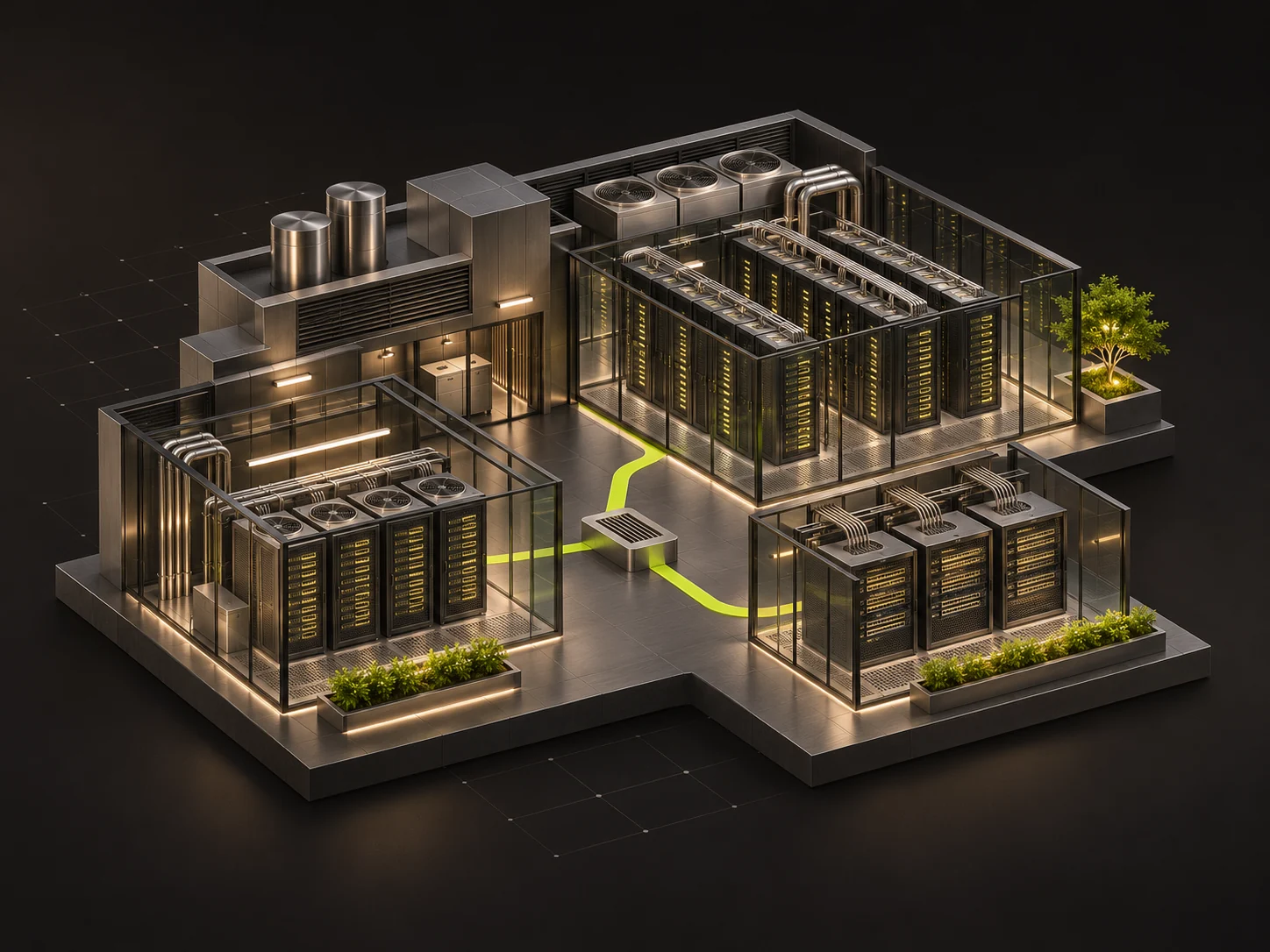
03 / Routing
Simulate a route, an outage or a privacy constraint. Compare destinations, token counts and estimated costs.
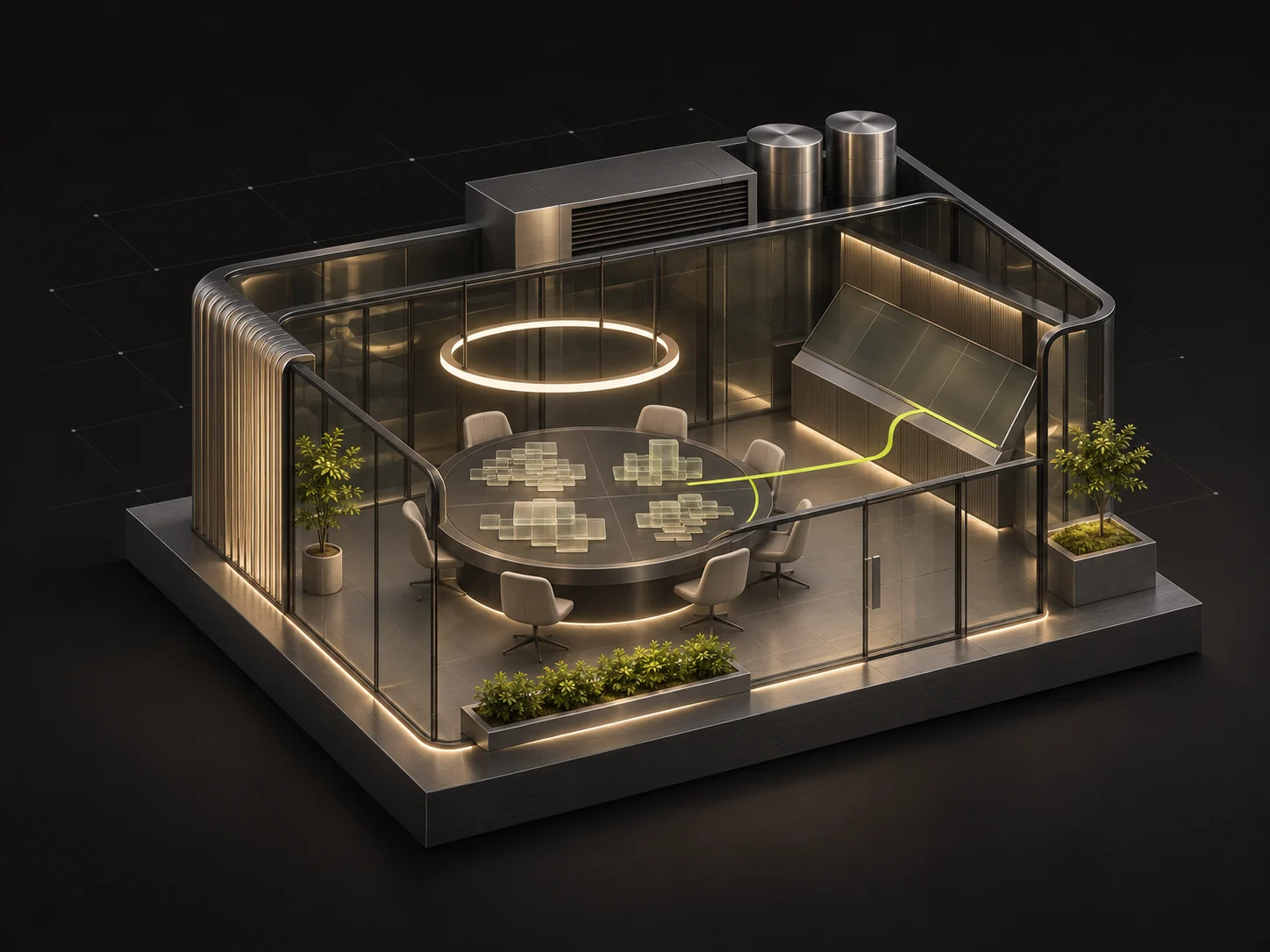
04 / Adoption
Explore adoption by team, tool and period through aggregate views with a privacy threshold.
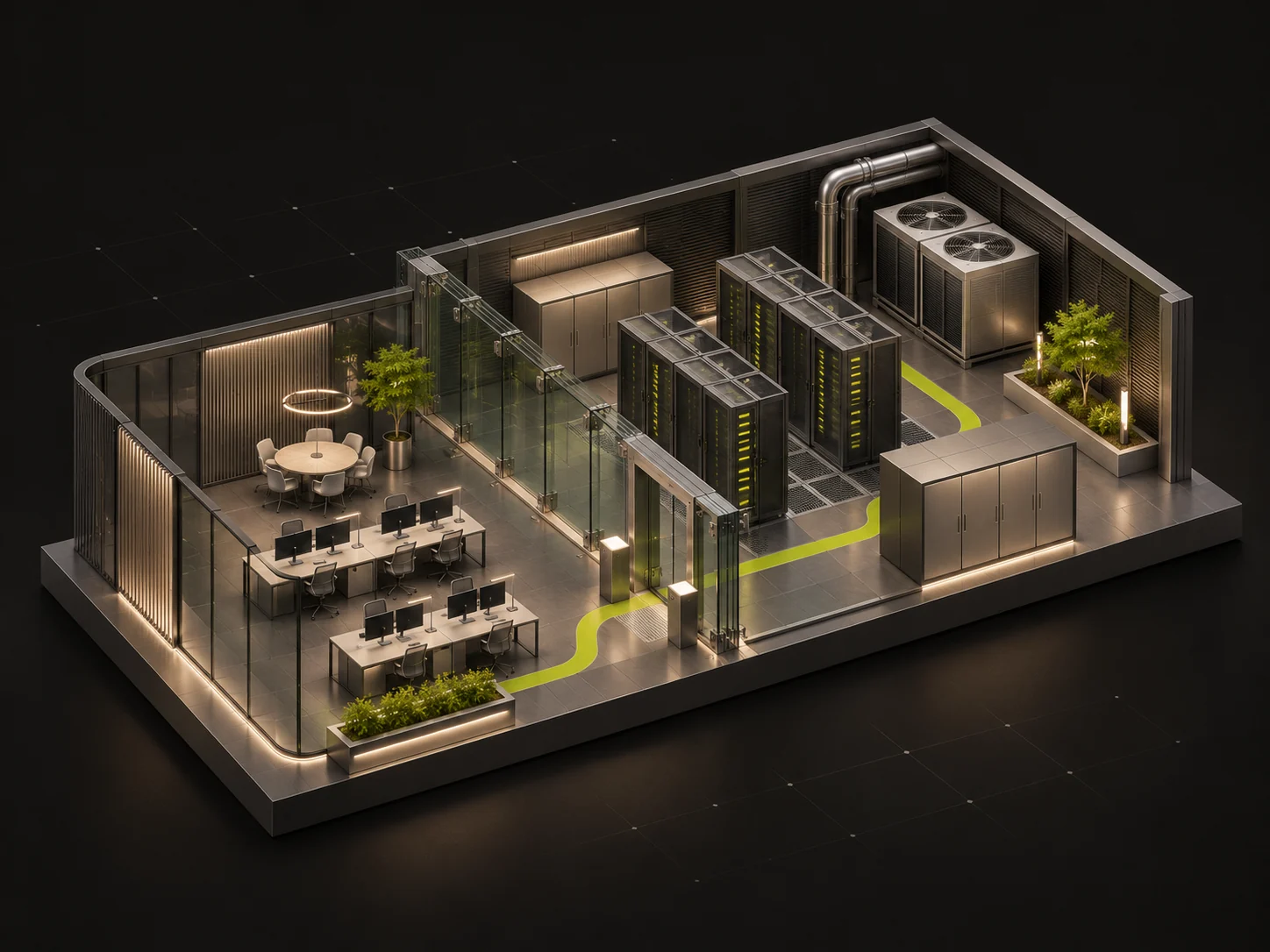
05 / Operations
Qualify access and network egress, then rehearse recovery by verifying the restored decision journal.
Follow a subtask, its attempt and its evidence in the portfolio.
Verify the task revision and the decision-maker’s access scope.
Choose a deployment mode, configure identity and plan recovery.
.env.example. The sim profile uses mock providers to check startup and service flows.restricted admission, a CNI that enforces NetworkPolicy, HTTPS-enforcing Ingress, OIDC and a qualified storage class. The chart installs the core and optional Alloy.CI uses fictional identities and data. It checks PostgreSQL restart in Compose and API persistence in Kind after replacing a pod and restoring to a second volume. Qualify your own controllers, storage drivers and external services on the target platform.
On Compose, configure FACTORY_AUTH=sso, FACTORY_AUTH_MODE=proxy, FACTORY_TRUSTED_PROXIES, FACTORY_ROLE_MAP and FACTORY_BU_POLICY. On Kubernetes, the private profile enforces the trust boundary inside the pod and mounts the business-unit policy from a referenced secret. Keep the dashboard and API on the same origin. Each group that grants a role must carry the relevant business scope.
["*"] manages objectives and projects.project_lead plans, manager assigns, and architect performs technical review.Each business unit can allow an agent to start, require human authorization or block execution. Renew pending start grants after restarting the API.
The runner handles read and preparation subtasks for configured business units and agents. An active parent can delegate one level deep, with a maximum of four subtasks including cancellations.
chat-sensitive use case and an evaluated agent associated with that case in the business unit.docker-compose.portfolio.yml and set FACTORY_PORTFOLIO_RUNNER_SOURCE to its absolute host path. On Kubernetes, reference an existing secret via api.portfolioRunner.existingSecret and configure telemetry.litellmURL according to the chart guide.These identifiers are fictional. The key must match the virtual key provisioned for the use case.
{
  "version": 1,
  "bindings": [{
    "agent_id": "ag-support-research",
    "unit": "cc-relation",
    "usecase_id": "uc-41",
    "virtual_key": "<virtual key for this use case>"
  }]
}
Each attempt returns text, with a call bounded to 60 seconds and 512 output tokens. Review the output before using it in a business process.
Enable FACTORY_WORKBENCH_MODE=portfolio and FACTORY_WORKBENCH_CYBER_AUDIT=on on the protected deployment. A submitted sensitive task enters Workbench handoff after technical review when required. The API links the case to the exact task revision. The security audit remains active through the workflow.
An authorized global approver distinct from the other participants opens the Decision Companion. The decision covers the task and its evidence. CRM and ERP operations have their own execution workflows.
The portfolio shows the outcome and date. Workbench retains the approver and rationale within its own access scope.
chat-sensitive route. Private assistance can use a configured internal model. Flow Lab calculates synthetic scenarios in the browser.Check task state, evidence and token totals in the portfolio. Distinguish provider measurements, reported values and counters that are still unknown. A partial total covers the available counts.
Check dependency completion, agent evaluation, use-case binding and autonomy policy. In human-approval mode, ask the manager to issue the start grant.
Check LiteLLM, the local model, key binding and network rules. After interruption, the runner can take up to two minutes to release the attempt. The manager reviews the cause and reassigns the task to resume.
The portfolio.runner_attempt_finished and portfolio.runner_tick_failed events support triage. Authorized users can access the detailed result on the task.
Check that the decision was recorded on the matching case and that the API can read both databases. Let reconciliation run and reload the view. Record identifiers and timestamps for the incident, then verify access scope before sharing a trace.
/api/v1/ready checks local paths and API access configuration. Run a functional check against the OIDC provider, model and telemetry destinations. Verify DNS, TLS, network policy and permissions.
Check TLS authentication, collector access to the source and network policy. On Kubernetes, verify pods/log access in the intended namespace. Test delivery to your SIEM and access to audit files separately.
27800aa and build the images locally with the validated configuration. When a signed bundle covers this revision or a later qualified revision, verify the manifest, checksums and image attestations. Use Compose and docker-compose.release-lock.yml from that same bundle. Put every operator policy and Portfolio overlay before the lock file and keep it as the final -f argument. Release v1.1.1 and its images.txt are historical references.FACTORY_DEMO_MODE=never and FACTORY_GUARDRAIL_MODE=block. Keep internal services on private networks.docker compose --project-name ai-factory \
-f docker-compose.yml -f docker-compose.release-lock.yml \
--env-file /secure/ai-factory/production.env --profile sso \
config --format json | python scripts/check_production.pyThis command shows the bundle path. For a source build, use the Compose files from the audited revision and pass the validated configuration to the same preflight. Keep the existing project name to retain its volumes. Add -f docker-compose.portfolio.yml and the runner file only when enabling subagents. Add --profile local-gpu for the bundled GPU service or pass --private-gpu-host NAME to preflight for each approved external private DNS name.
up -d --no-build with the verified bundle or up -d --build with the audited source. Keep the files, variables and profiles used for preflight. Inspect services with docker compose ps in the same configuration.Compose deployment and bundle verification · Harden the deployment
demo profile with local port-forwarding for fictional qualification, or private with HTTPS, OIDC, a business-unit policy and existing secrets.values.release.json. For a source rehearsal, stage the chart with python scripts/package_helm.py and use images compatible with the tested revision.The chart installs the AI Factory core and optional Alloy. Operators run the model and telemetry services and connect them as needed for the private profile.
Keep the portfolio and Workbench databases and audit files on the private API volume. Suspend writes and processing before taking a consistent backup. Record the matching version and business-unit policy. Copying live SQLite files can miss journal writes.
For rollback, disable the runner and retain a snapshot of recent state. For a Kubernetes file archive, save the contents of the volume and preserve the destination PVC root permissions. If the data has migrated, restore a compatible point and reconcile subsequent writes with the operator.